
Looking directly at the sun is unsafe except during the brief total phase of a solar eclipse (“totality”), when the moon entirely blocks the sun’s bright face, which will happen only within the narrow path of totality. The only safe way to look directly at the uneclipsed or partially eclipsed sun is through special-purpose solar filters, such as “eclipse glasses” or hand-held solar viewers. Homemade filters or ordinary sunglasses, even very dark ones, are not safe for looking at the sun; they transmit thousands of times too much sunlight. Learn more about eclipse safety on NASA’s website.
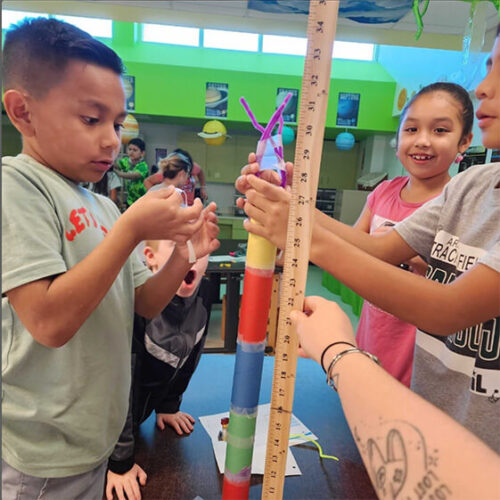
[vc_row][vc_column][vc_single_image image=”5131″][vc_column_text]On August 21, all of North America will be treated to an awe-inspiring sight: a solar eclipse. Here in Maryland, the moon will obscure more than 80% of the sun. Celebrate the once-in-a-lifetime eclipse viewing opportunity with MdBio’s science educators and eclipse fans. Adults and kids of all ages are invited to learn about eclipse safety, differences between a solar and lunar eclipse, and build a model to explain why eclipses happen. Participants will also collect and record temperature and climate data for NASA’s Global Learning and Observations to Benefit the Environment (GLOBE) Program.
Eclipse glasses will be provided to the first 100 registrants. Ample free parking is available.[/vc_column_text][vc_message message_box_color=”warning” icon_fontawesome=”fa fa-exclamation-triangle”]Due to overwhelming interest, this event is now full.
To learn about other nearby events, visit https://eclipse2017.nasa.gov[/vc_message][vc_column_text]
Eclipse Safety
Eclipse Activity IdeasEclipse Activity Ideas
[/vc_column_text][/vc_column][/vc_row][vc_row][vc_column width=”1/2″]
[/vc_column][vc_column width=”1/2″]
[/vc_column][/vc_row]