Skip to Content

My Favorites

1 - 13 of 102
Ground Breaking News
phenomena-Ground Breaking News

Ground Breaking News

This unit will introduce students to tectonic plates. Students will develop questions after viewing satellite images showing uplift along the coast of New Zealand from 2010 to 2016.

Grade Level: Middle School (6 - 8)

Subject: Earth & Space Science

Curriculum Unit: Earth's Systems

RADAR
Radar scan

RADAR

Students explore wave properties through the lens of radars and collect simulated data of an object in motion.

Grade Level: High School (9 - 12)

Subject: Physics

Curriculum Unit: Waves and their Applications

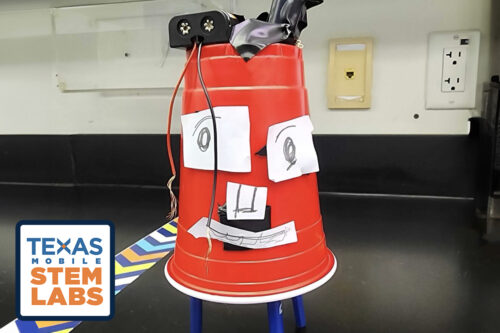
Circuits (TEA)
circuits with a smile

Circuits (TEA)

Students will engage in an electricity and circuitry STEM challenge to design a Wigglebot toy that can produce light and sound while still being able to wiggle.

Grade Level: Grades 4-6

Subject: Engineering

Curriculum Unit: Engineering Design

It’s All In Your Head (Classroom)
students working the

It’s All In Your Head (Classroom)

Students will analyze the effect of forces on a brain model, gather collision data from tested materials, and go through the engineering process to design a new helmet.

Grade Level: High School (9 - 12)

Subject: Physics

Curriculum Unit: Forces and Interactions

Looking Into Lactase (Classroom)
splash of milk

Looking Into Lactase (Classroom)

Students will develop questions about a case of a girl with stomach symptoms, and eventually come to understand the mechanism of lactose intolerance.

Grade Level: High School (9 - 12)

Subject: Biology and Life Sciences

Curriculum Unit: From Molecules to Organisms

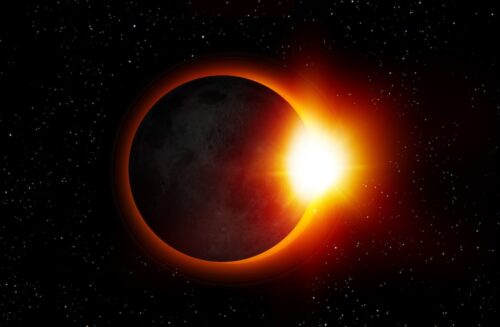
Moon’s Disappearing Act
Solar Eclipse

Moon’s Disappearing Act

This unit will introduce students to solar eclipses. Students will develop questions after being introduced to phenomena.

Grade Level: Middle School (6 - 8)

Subject: Earth & Space Science

Curriculum Unit: Earth's Place in the Universe

Parasite Predicament (Classroom)
Mosquito biting a person

Parasite Predicament (Classroom)

Students will learn how antibodies are used in enzyme-linked immunosorbent assays (ELISA) and will determine whether or not their patient has contracted the malaria parasite.

Grade Level: High School (9 - 12)

Subject: Environmental Science

Curriculum Unit: Ecosystems , Heredity

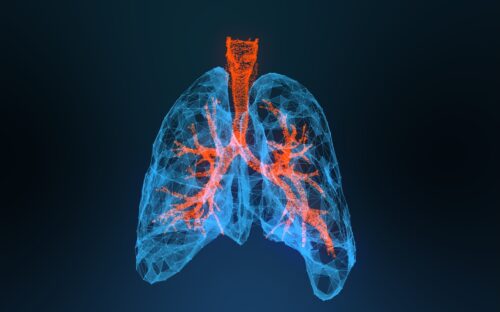
Radon and Lung Cancer
3d rendered illustration of lung cancer

Radon and Lung Cancer

Students learn about the dangers of radon, the different subtypes of lung cancer, and the radon mitigation systems that can be implemented.

Grade Level: Middle School (6 - 8)

Subject: Environmental Science

Curriculum Unit: Ecosystems , Matter and its Interactions

Biodiesel Lab (Classroom)
students creating biodiesel fuel in lab

Biodiesel Lab (Classroom)

Students will be guided to explore pH indicators and determine the percent composition of substances like vinegar all with materials they can find at home!

Grade Level: High School (9 - 12)

Subject: Chemistry

Curriculum Unit: Matter and its Interactions

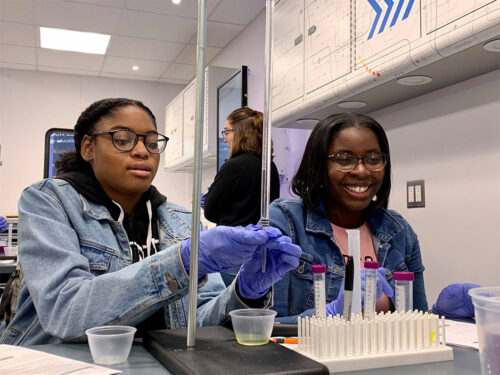
Mystery of the Crooked Cell (Classroom)
students in the emerging leaders program smile in biotechnology lab

Mystery of the Crooked Cell (Classroom)

Students will analyze and develop questions about the disease while looking at blood smear for healthy and sickle patients.

Grade Level: High School (9 - 12)

Subject: Biology and Life Sciences

Curriculum Unit: From Molecules to Organisms , Heredity

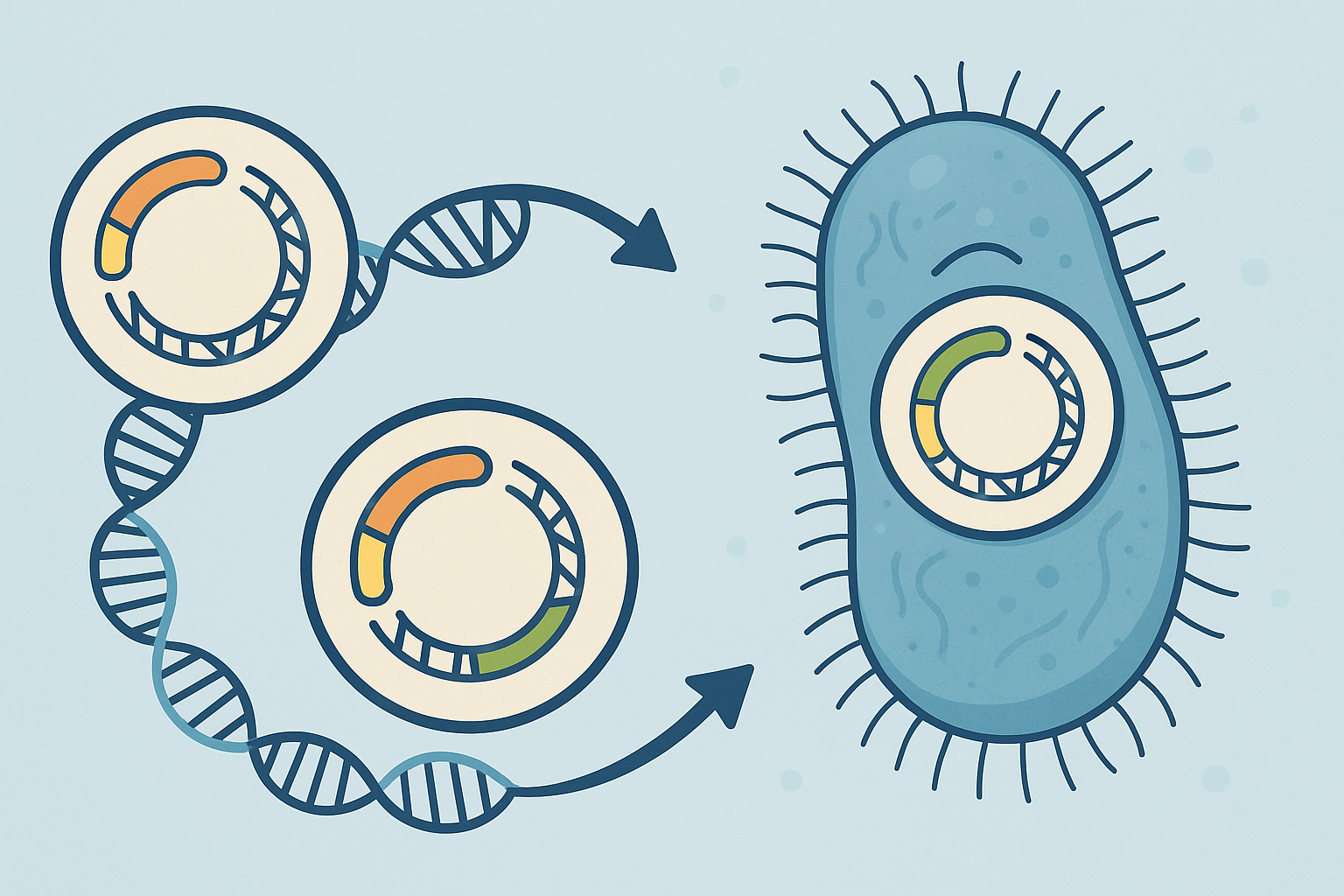
Genetic Transformation (Classroom)
genetic transformation

Genetic Transformation (Classroom)

Students explore the process of moving genes from one organism to another using genetic transformation.

Grade Level: High School (9 - 12)

Subject: Biology and Life Sciences

Curriculum Unit: From Molecules to Organisms , Heredity

What’s in a Wave
Futuristic wave with points and lines

What’s in a Wave

Students explore wave types and properties by building models and a DIY speaker.

Grade Level: Middle School (6 - 8)

Subject: Engineering , Physics

Curriculum Unit: Waves and their Applications

Join the Mission