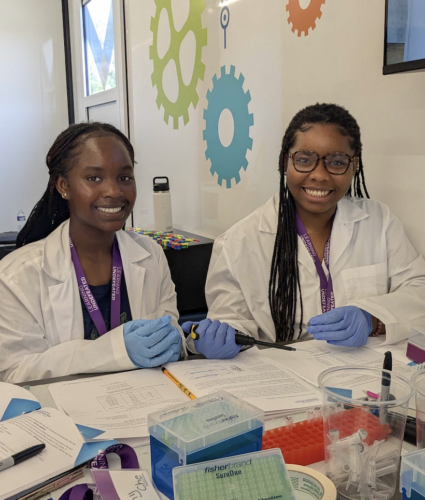
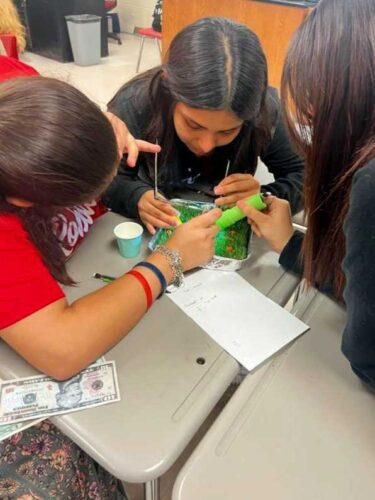
Learn how forensic science and DNA analysis is used to limit the illegal trade of protected shark fins in the activity Wildlife Forensics.
Shark fins are in incredible demand in Asia, costing hundreds of dollars a pound to be used in soups. To collect fins, hunters will catch sharks and de-fin them, often throwing the harmed sharks back into the water where they are unable to swim properly or survive.
Due to the greatly dwindling shark populations, the U.S. government protects certain species, like the great white, and has made it illegal to hunt and trade them. Bringing those who illegally hunt great white sharks to justice is not an easy task. It is often impossible to visually identify what species a shark fin belongs to, especially when the fins have been dried and processed. Wildlife officials have turned to genetic analysis and forensics to identify shark fin species.
Looking for the Mobile STEM Laboratory version of this activity? Click here.
Looking for the answer keys for this activity bundle? Complete this form to gain the password to our Activity Keys webpage.
Welcome to the Emerging Leaders in STEM resource center! This is where you’ll find everything you need for this year’s Emerging Leaders in Biotechnology program. Whether you’re preparing for your next session or reviewing what you’ve learned, this page is for you.
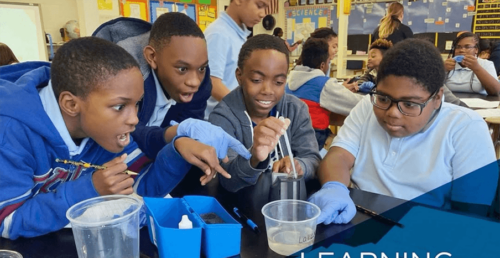
In this design challenge, students will work together to design a tool or process that successfully removes an invasive species from an ecosystem while minimizing harm to the native species and environment.
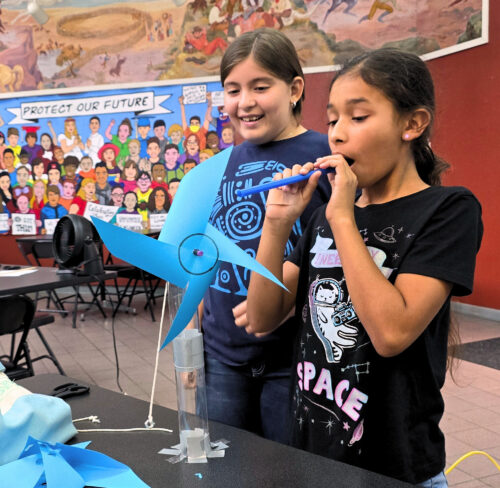
In this challenge, students will practice problem-solving and collaboration skills as they design, build, and test their wind turbine
prototypes. Students will explore the role of renewable energy in powering communities, learn about energy transfer and mechanical systems, and gain insight into the importance of sustainable energy solutions.