The Next Generation of Innovators post-mobile experience activity helps students connect their hands-on experience to the people and careers behind health technology. Students reflect on the strengths they used during the experience and explore how those strengths can contribute to real-world STEM careers.
Learning Objectives
Identify and describe key roles in a medical device development team.
Explain how different engineering roles contribute to a shared system outcome.
Standards Alignments + Connections
ETS1-1: Define the criteria and constraints of a design problem with sufficient precision to ensure a successful solution, taking into account relevant scientific principles and potential impacts on people and the natural environment that may limit possible solutions.
Obtaining, Evaluating, and Communicating Information (SEP): Students will be able to read and interpret multiple sources to obtain information, evaluate the merit and validity of claims and design solutions, and communicate information, ideas, and evidence in a variety of formats.
Systems and System Models (CCC): Systems may interact with other systems; they may have sub-systems and be part of larger complex systems.
6.MS.ETS1-1:Define the criteria and constraints of a design problem with sufficient precision to ensure a successful solution. Include potential impacts on people and the natural environment that may limit possible solutions.
Obtaining, Evaluating, and Communicating Information (SEP): Students will be able to read and interpret multiple sources to obtain information, evaluate the merit and validity of claims and design solutions, and communicate information, ideas, and evidence in a variety of formats.
Systems and System Models (CCC): Systems may interact with other systems; they may have sub-systems and be part of larger complex systems.
ETS1-1: Define the criteria and constraints of a design problem with sufficient precision to ensure a successful solution, taking into account relevant scientific principles and potential impacts on people and the natural environment that may limit possible solutions.
Obtaining, Evaluating, and Communicating Information (SEP): Students will be able to read and interpret multiple sources to obtain information, evaluate the merit and validity of claims and design solutions, and communicate information, ideas, and evidence in a variety of formats.
Systems and System Models (CCC): Systems may interact with other systems; they may have sub-systems and be part of larger complex systems.
MS-ETS1-1: Define the criteria and constraints of a design problem with sufficient precision to ensure a successful solution, taking into account relevant scientific principles and potential impacts on people and the natural environment that may limit possible solutions.
Obtaining, Evaluating, and Communicating Information (SEP): Gather, read, and synthesize information from multiple appropriate sources and assess the credibility, accuracy, and possible bias of each publication and methods used, and describe how they are supported or not supported by evidence.
Systems and System Models (CCC): Systems may interact with other systems; they may have sub-systems and be part of larger complex systems.
Activity Components
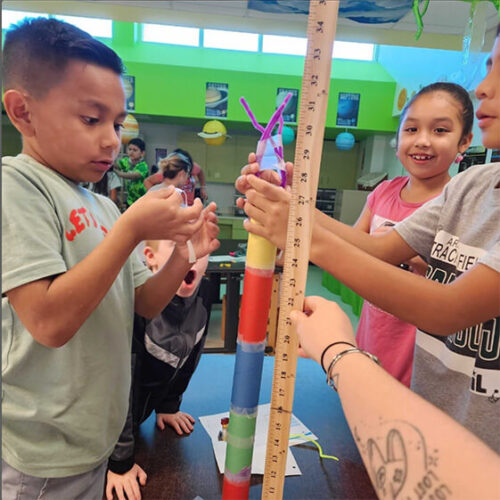
The Next Generation of Innovators post-mobile experience activity gives students an opportunity to reflect on their experience and see how their individual contributions connect to the broader world of health technology. Through the “Innovator Anatomy” framework, students identify the strengths and actions they brought to the experience, whether they analyzed data to troubleshoot a technical challenge, tested potential solutions, designed a device, or communicated their team’s work.
Students then connect these skills and contributions to real-world roles, such as Biomedical Engineers and Clinical Specialists. By recognizing that innovation depends on many different strengths and areas of expertise, students begin to see themselves as part of the STEM ecosystem. The activity reinforces that there is no single type of innovator and encourages students to consider how their own interests and strengths could contribute to the future of health technology.
Students will learn about the parts of the heart and engage in a hands-on activity that simulates how the heart pumps and how a pacemaker helps regulate heart rhythm.
Welcome to the Emerging Leaders in STEM resource center! This is where you’ll find everything you need for this year’s Emerging Leaders in Biotechnology program. Whether you’re preparing for your next session or reviewing what you’ve learned, this page is for you.