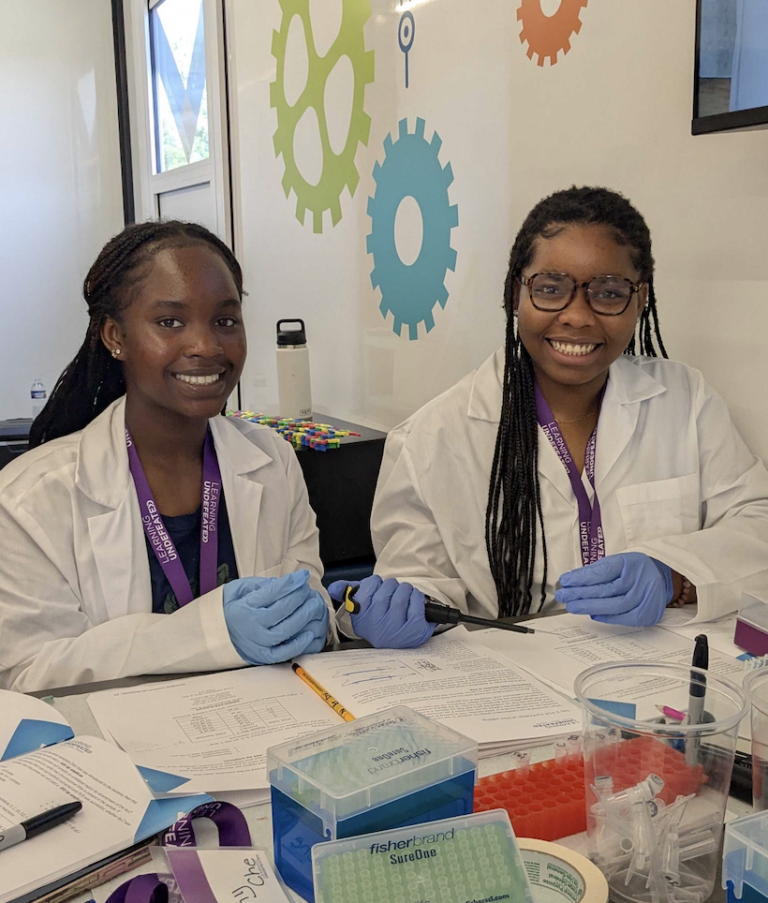


Medtronic Spark Explore Mobile Experience
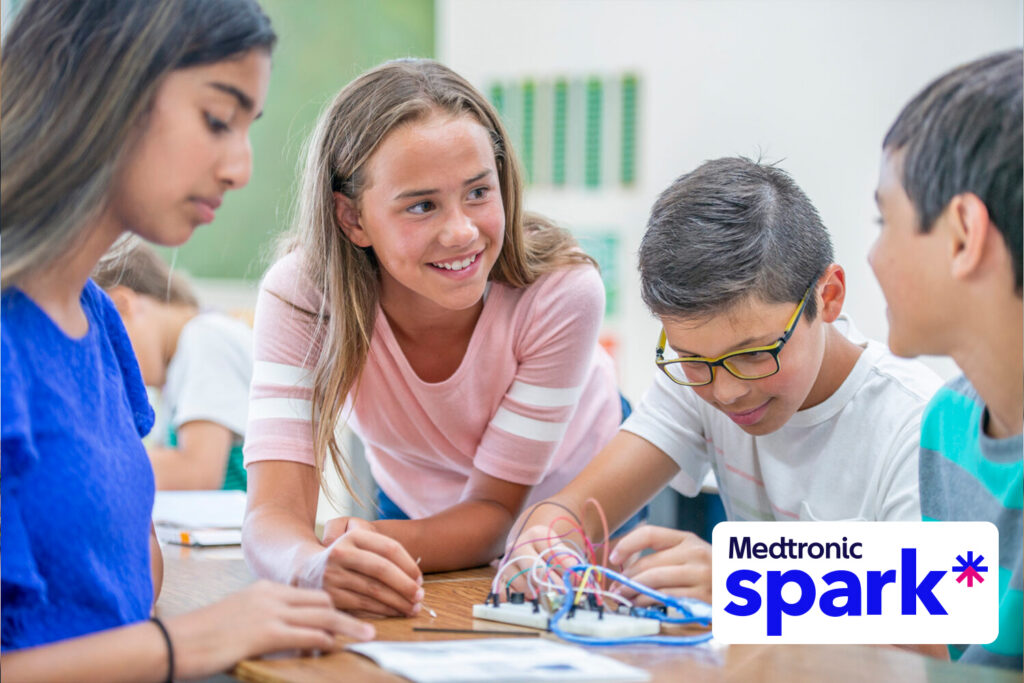
Upon stepping into a dark operating room, participants meet a clinical specialist highlighting a pacemaker challenge: standard batteries may require secondary surgeries, and physicians wish it could recharge while implanted. Participants are then tasked with redesigning the device to convert muscle movement into electrical energy for self-recharging.
Medtronic Spark Explore Mobile Experience is an immersive, game-based mission where students step into the roles of real health tech professionals to solve a clinical problem. Independent teams work on different parts of the therapy’s lifecycle, make trade-offs, innovate and iterate using data, and ultimately come together to deliver an improved therapy that highlights how cross-functional collaboration makes modern healthcare possible.
Learning Objectives
Students will be able to
- Apply engineering design and problem-solving skills to improve a medical device solution.
- Analyze information, make evidence-based decisions, and test ideas to meet design constraints.
- Collaborate and communicate effectively as part of a multidisciplinary team to achieve a shared goal.
Standards Alignments + Connections
Colorado Academic Standards for Science
Medtronic Spark Explore supports Colorado’s three-dimensional approach to science instruction by integrating:
- Science & Engineering Practices
- Crosscutting Concepts
- Disciplinary Core Ideas
Students investigate authentic healthcare challenges, collaborate as engineering teams, communicate evidence-based ideas, and discover how science and engineering work together to improve lives.
| Colorado Science & Engineering Practice | Medtronic Spark Explore Alignment |
| Asking Questions & Defining Problems | Students investigate authentic healthcare challenges by asking questions, identifying needs, and exploring engineering solutions that improve patient outcomes. |
| Developing and Using Models | Students use observations, representations, and discussion to explore biomedical engineering concepts and healthcare technology. |
| Planning and Carrying Out Investigations | Students participate in guided investigations that encourage exploration, collaboration, and evidence-based thinking. |
| Analyzing and Interpreting Data | Students evaluate observations, identify patterns, compare ideas, and communicate conclusions using evidence gathered throughout the experience. |
| Constructing Explanations & Designing Solutions | Students apply the engineering design process to investigate solutions, evaluate ideas, and refine their thinking through collaboration. |
| Engaging in Argument from Evidence | Students justify ideas, explain observations, and support conclusions through respectful discussion and evidence-based reasoning. |
| Obtaining, Evaluating & Communicating Information | Students communicate scientific ideas, collaborate with peers, and reflect on how innovation contributes to solving healthcare challenges. |
Massachusetts Science and Technology/Engineering Standards
Medtronic Spark Explore supports Massachusetts’ three-dimensional approach to science instruction by integrating:
- Science & Engineering Practices
- Crosscutting Concepts
- Disciplinary Core Ideas
Students investigate authentic healthcare challenges, collaborate as engineering teams, communicate evidence-based ideas, and explore how science and engineering contribute to improving lives.
| Massachusetts Science & Engineering Practice | Medtronic Spark Explore Alignment |
| Asking Questions & Defining Problems | Students investigate authentic healthcare challenges by asking questions, identifying needs, and exploring engineering solutions that support patient care. |
| Developing and Using Models | Students use models, observations, and collaborative discussion to deepen their understanding of biomedical engineering and healthcare technology. |
| Planning and Carrying Out Investigations | Students participate in guided investigations that encourage inquiry, collaboration, and evidence-based exploration. |
| Analyzing and Interpreting Data | Students evaluate observations, identify patterns, compare evidence, and communicate conclusions throughout the engineering experience. |
| Constructing Explanations & Designing Solutions | Students apply the engineering design process to investigate solutions, evaluate ideas, and refine their thinking through collaboration. |
| Engaging in Argument from Evidence | Students justify ideas, communicate reasoning, and support conclusions using evidence gathered throughout the experience. |
| Obtaining, Evaluating & Communicating Information | Students collaborate with peers, communicate scientific ideas, and reflect on how engineering contributes to solving healthcare challenges. |
Minnesota Academic Standards in Science
Medtronic Spark Explore supports Minnesota’s three-dimensional approach to science instruction by integrating:
- Science and Engineering Practices
- Crosscutting Concepts
- Disciplinary Core Ideas
Students investigate authentic healthcare challenges, collaborate as engineering teams, communicate ideas using evidence, and reflect on how science and engineering work together to improve lives.
| Minnesota Science & Engineering Practice | Medtronic Spark Explore Alignment |
| Asking Questions & Investigating Phenomena | Students investigate authentic healthcare challenges by asking questions, exploring observations, and identifying opportunities for engineering solutions. |
| Developing and Using Models | Students explore biomedical engineering concepts through models, observations, and collaborative discussion that support scientific understanding. |
| Planning and Carrying Out Investigations | Students participate in guided investigations that encourage exploration, evidence gathering, and collaborative problem solving. |
| Analyzing and Interpreting Data | Students examine observations, compare information, identify patterns, and communicate evidence-based conclusions. |
| Constructing Explanations & Designing Solutions | Students apply engineering thinking to evaluate possible solutions while recognizing that innovation is an iterative process. |
| Communicating Scientific Information | Students collaborate with peers, explain their thinking, justify ideas, and communicate observations throughout the experience. |
Next Generation Science Standards
Medtronic Spark Explore supports NGSS’s three-dimensional approach to science instruction by integrating:
- Science & Engineering Practices
- Crosscutting Concepts
- Disciplinary Core Ideas
Students investigate authentic healthcare challenges, collaborate as engineering teams, communicate evidence-based ideas, and explore how science and engineering contribute to improving lives.
| Science & Engineering Practice | Medtronic Spark Explore Alignment |
| Asking Questions & Defining Problems | Students investigate authentic healthcare challenges by asking questions, identifying needs, and exploring engineering solutions that support patient care. |
| Developing and Using Models | Students use models, observations, and collaborative discussion to deepen their understanding of biomedical engineering and healthcare technology. |
| Planning and Carrying Out Investigations | Students engage in guided investigations that promote inquiry, collaboration, and evidence-based exploration. |
| Analyzing and Interpreting Data | Students evaluate observations, identify patterns, compare evidence, and communicate conclusions throughout the engineering experience. |
| Constructing Explanations & Designing Solutions | Students apply the engineering design process to investigate solutions, evaluate ideas, and refine their thinking through collaboration. |
| Engaging in Argument from Evidence | Students justify ideas, communicate reasoning, and support conclusions using evidence gathered throughout the experience. |
| Obtaining, Evaluating & Communicating Information | Students collaborate with peers, communicate scientific ideas, and reflect on how engineering contributes to solving healthcare challenges. |
Activity Components
Pre-Activity
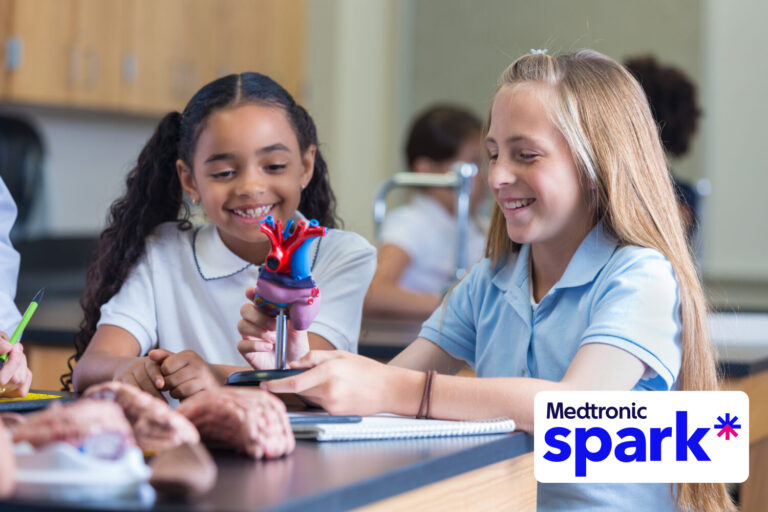
As an introduction to some of the tools used in the experiences, we recommend our activity, The Spark of Life.
This will introduce students to the parts of the heart and will give them a hands-activity to simulate how the heart pumps as well as how the pacemaker helps regulate heart rhythm.
Mobile Experience
Participants will work in small teams in different departments throughout the product design pipeline including data analysis, design, device testing, software programming, manufacturing, and robotic assisted surgery. Each department will need to complete challenges that contribute to the development and delivery of a next-generation pacemaker.
Students will work together to solve challenges, respond to new information, and improve their device along the way. By the end of the experience, students will be able to understand how different engineering teams work together to develop and deliver medical technology.
Post Engagement
As a follow up to this game, we recommend our activity, The Next Generation of Innovators.
This will allow students to connect what they did in the mobile experience to real health tech careers. Students will identify how they acted as innovators and learn how other professionals use those skills in their day to day work.
Keep Going! Your Students May Also Enjoy...

The Next Generation of Innovators
The Spark of Life