In this experiment, students explore static electricity to see how electrons behave and interact with matter.
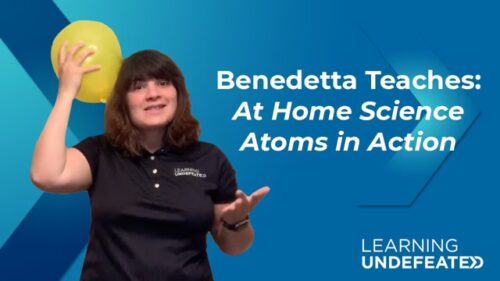
By rubbing a balloon on their hair or wool, they create a buildup of negative charge (electrons) on the balloon.
When the charged balloon is held near crisped rice cereal, the cereal is attracted to it—demonstrating how opposite charges attract.
Students observe how objects made of atoms respond to electric charges, helping them understand concepts like electron transfer, attraction and repulsion, and real-life phenomena like getting shocked after walking across carpeted floors.
Welcome to the Emerging Leaders in STEM resource center! This is where you’ll find everything you need for this year’s Emerging Leaders in Biotechnology program. Whether you’re preparing for your next session or reviewing what you’ve learned, this page is for you.
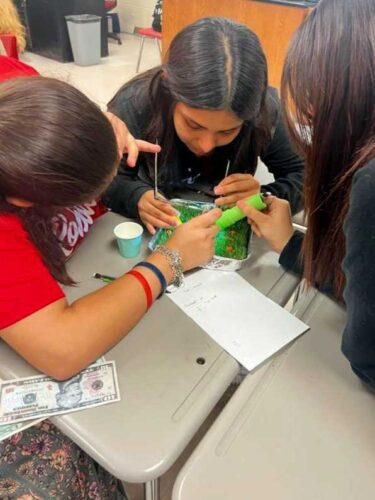
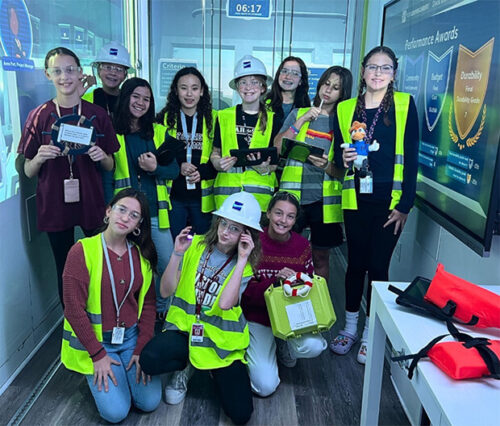
In this design challenge, students will work together to design a tool or process that successfully removes an invasive species from an ecosystem while minimizing harm to the native species and environment.