

Genetic Transformation
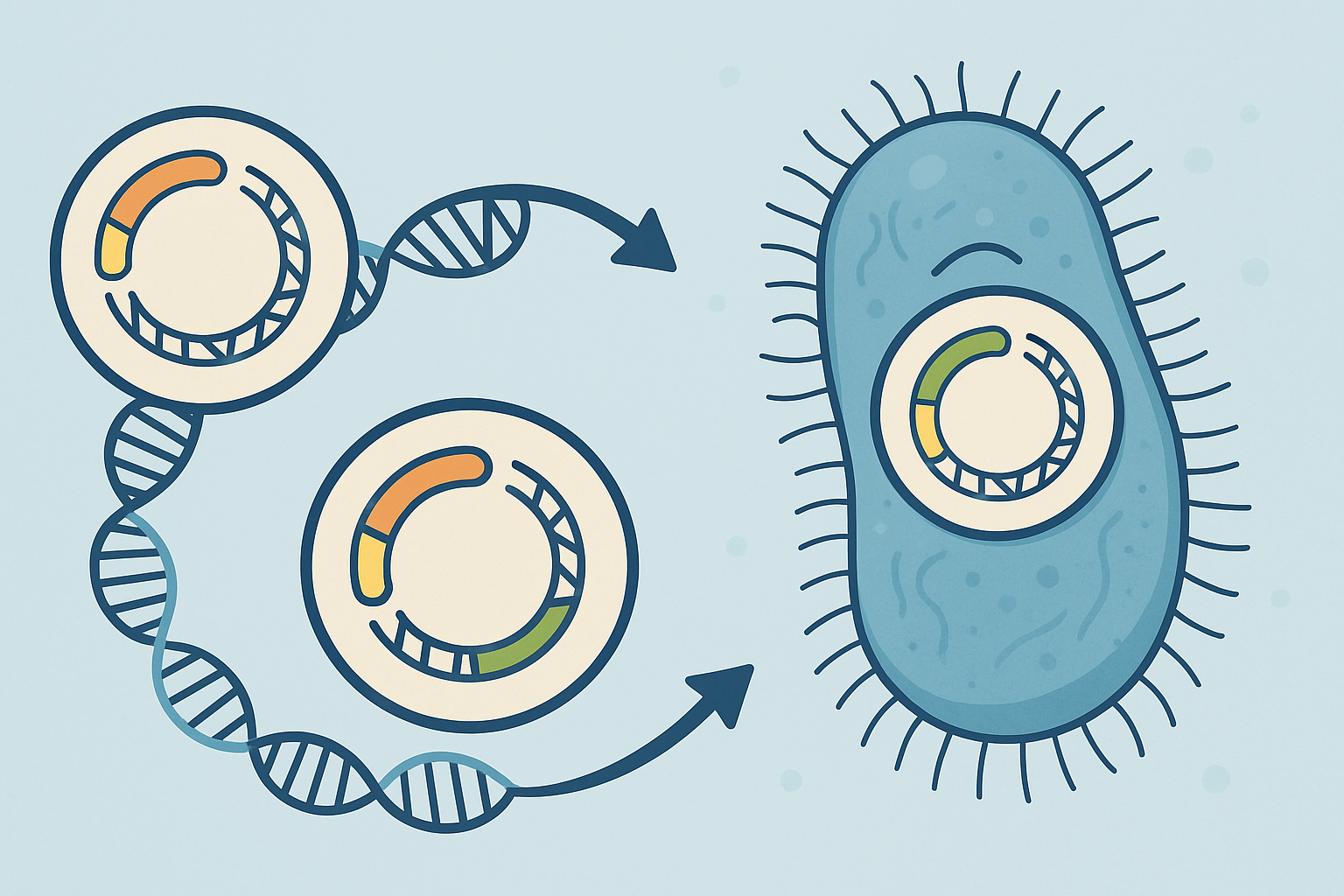
Transformation is an activity created by Learning Undefeated to help students explore the process of moving genes from one organism to another using genetic transformation. This lab also explores the use of the scientific method.
Genetic transformation literally means change caused by genes and involves the insertion of one or more gene(s) into an organism in order to change the organism’s traits. Genetic transformation occurs when a cell takes up and expresses a new piece of genetic material. This new genetic information often provides the organism with a new trait, which is identifiable after transformation. Genetic transformation is used in many areas of technology including agriculture and medicine.
Learning Objectives
Students will be able to
- Define wild-type vs. mutant phenotypes
- Locate the different genes on the pGlo plasmid
- Culture bacteria that express the green fluorescent protein
- Select for transformed bacteria
- Describe a genetic regulation system
- Analyze the growth on all four plates
- Calculate the transformation efficiency
Standards Alignments + Connections
Next Generation Science Standards Connections
HS-LS1-1
Construct an explanation based on evidence for how the structure of DNA determines the structure of proteins, which carry out the essential functions of life through systems of specialized cells.
HS-LS3-1
Ask questions to clarify relationships about the role of DNA and chromosomes in coding the instructions for characteristic traits passed from parents to offspring
Texas Essential Knowledge and Skills for Science Connections
BIOL5.B:
Compare and contrast prokaryotic and eukaryotic cells, including their complexity, and compare and contrast scientific explanations for cellular complexity.
BIOL7.B:
Describe the significance of gene expression and explain the process of protein synthesis using models of DNA and ribonucleic acid (RNA)
BIOL7.D:
Discuss the importance of molecular technologies such as polymerase chain reaction (PCR), gel electrophoresis, and genetic engineering that are applicable in current research and engineering practices.
Activity Components
Background Information
For useful information regarding this lab, follow these links:
- Genetic Transformation: http://study.com/academy/lesson/bacterial-transformation-definition-process-and-genetic-engineering-of-e-coli.html
- Plasmids: http://study.com/academy/lesson/what-is-a-dna-plasmid-importance-to-genetic-engineering.html
- Scientific Method: http://www.sciencebuddies.org/science-fair-projects/project_scientific_method.shtml#keyinfo
Pre-Laboratory Engagement
Prepare Students for the use of the scientific method and various lab equipment (i.e., micropipettes, microcentrifuge tubes)
Pre-Lab Questions
- What is genetic transformation?
- What are plasmids?
- What plasmid will we use in this lab & what significance does it have?
Activity
Download the Student Handout (above)
In this specific procedure, we will perform genetic transformation by inserting a plasmid into the bacteria, E. coli. In addition to having one large chromosome, most bacteria contain small, self-replicating, circular pieces of DNA called plasmids. Plasmids have their own origin of replication (ori), which allows them to replicate independently of the chromosomal DNA, as well as genes for one or more traits that may be beneficial to bacterial survival. In nature, bacteria can transfer plasmids back and forth, allowing them to share beneficial genes and rapidly adapt to new environments. The recent occurrence of bacterial resistance to antibiotics, for instance, is due to the transmission of plasmids.
The plasmid we are inserting into E. coli contains a gene that codes for green fluorescent protein (GFP). Green fluorescent protein is found naturally in jellyfish and allows them to fluoresce. Following the transformation procedure, the bacteria can express their newly acquired jellyfish gene and, in the presence of sugar, will produce the fluorescent protein. This causes the bacteria to glow a brilliant green color under ultraviolet light.
Post-Laboratory Extension
Follow this link to an article from the National Institute of Health about natural genetic transformation in the environment: http://www.ncbi.nlm.nih.gov/pmc/articles/PMC372978/
Additional Resources
Tools of the Trade
Selecting a vector for DNA transport
What makes a firefly glow?
Protein Data Bank
The Green Flourescent Protein
AraC Gene Regulation
The AraC Protein: A Love Hate Relationship (PDF)
Wild Type v. Mutant Traits
Brief description of polymorphic traits
Protein Synthesis
A compilation of short tutorials and interactive animations about proteins and protein synthesis
Advanced Protein Synthesis
An advanced, animated tutorial about protein synthesis including animations detailing structure and function of tRNA and ribosomes
Green Fluorescent Protein
Interactive 3-D model of the green fluorescent protein
Keep Going! Your Students May Also Enjoy...

The Next Generation of Innovators
Medtronic Spark Explore Mobile Experience