Skip to Content
Resources for Teachers

Free K-12 STEM Curriculum & Lessons Plans for Teachers

To View More, Click Here

1 - 3 of 3
An Ocean Without Sharks
sharks swimming in ocean

An Ocean Without Sharks

Students will develop questions about the industry while looking at a photo of shark fins removed from living sharks, and eventually come to understand the environmental effects of shark finning.

Grade Level: Middle School (6 - 8)

Subject: Environmental Science

Curriculum Unit: Ecosystems , Heredity

The Biodiesel Lab
Pouring cooking oil into glass bowl

The Biodiesel Lab

Your students will perform an acid/base titration to determine the molarity of free fatty acids in a waste vegetable oil solution.

Grade Level: High School (9 - 12)

Subject: Chemistry

Curriculum Unit: Matter and its Interactions

Biodiesel Lab (Classroom)
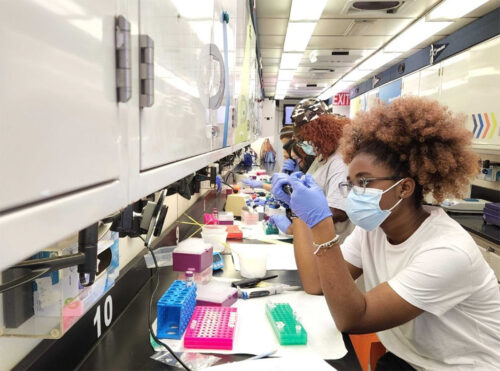
students creating biodiesel fuel in lab

Biodiesel Lab (Classroom)

Students will be guided to explore pH indicators and determine the percent composition of substances like vinegar all with materials they can find at home!

Grade Level: High School (9 - 12)

Subject: Chemistry

Curriculum Unit: Matter and its Interactions

Chemical and Physical Changes
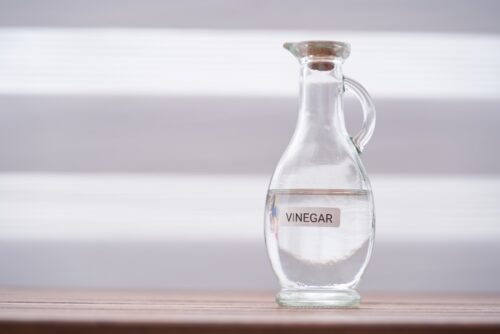
white vinegar on wood table top

Chemical and Physical Changes

Students will be introduced to reaction examples like mentos and coke, yeast and hydrogen peroxide, and more!

Grade Level: Middle School (6 - 8)

Subject: Chemistry

Curriculum Unit: Matter and its Interactions

Chemical and Physical Changes Game
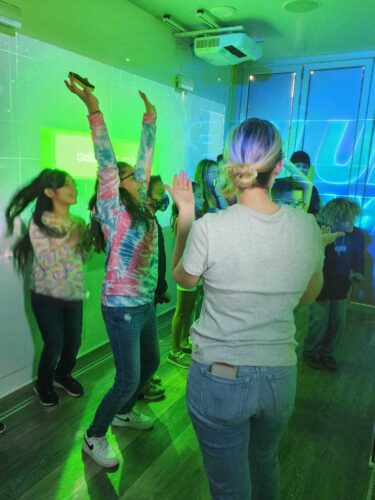
students dancing in breakout box

Chemical and Physical Changes Game

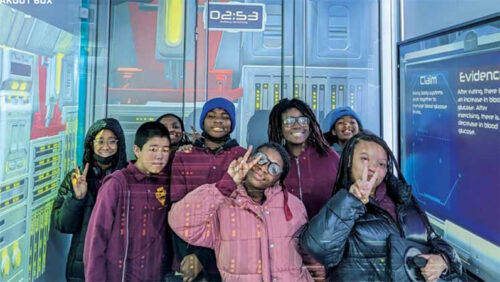
In an immersive learning theater, student groups gather evidence to identify changes as either chemical reactions or physical changes.

Grade Level: Middle School (6 - 8)

Subject: Chemistry , Physical Science

Curriculum Unit: Matter and its Interactions

Designing Solutions to Concussions (Classroom)
students working the

Designing Solutions to Concussions (Classroom)

This unit will introduce students to the issue of concussions. Students will try to resolve this problem by ultimately designing a new helmet.

Grade Level: Middle School (6 - 8)

Subject: Physics

Curriculum Unit: Forces and Interactions

DNA Extraction

DNA Extraction

Students will extract DNA from a plant to determine whether or not its fruit is biotic.

Grade Level: Middle School (6 - 8)

Subject: Biology and Life Sciences

Curriculum Unit: From Molecules to Organisms

DNA Extraction (Classroom)
dna

DNA Extraction (Classroom)

Students will develop and test a hypothesis, use positive and negative controls, and determine if fruit from a plant is biotic or abiotic.

Grade Level: Middle School (6 - 8)

Subject: Biology and Life Sciences

Curriculum Unit: From Molecules to Organisms

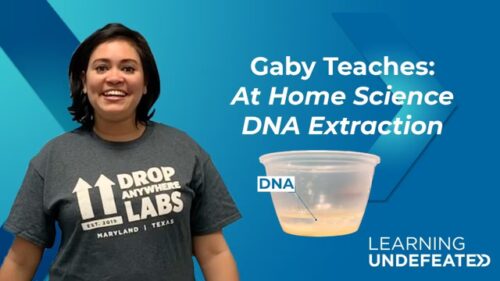
DNA Extraction (Home Version)
gaby teaches at home science dna extraction

DNA Extraction (Home Version)

Explore cells and their contents by trying to break them open! See if you can figure out if fruit is made up of cells!

Grade Level: Middle School (6 - 8)

Subject: Biology and Life Sciences

Curriculum Unit: From Molecules to Organisms

Genetic Transformation
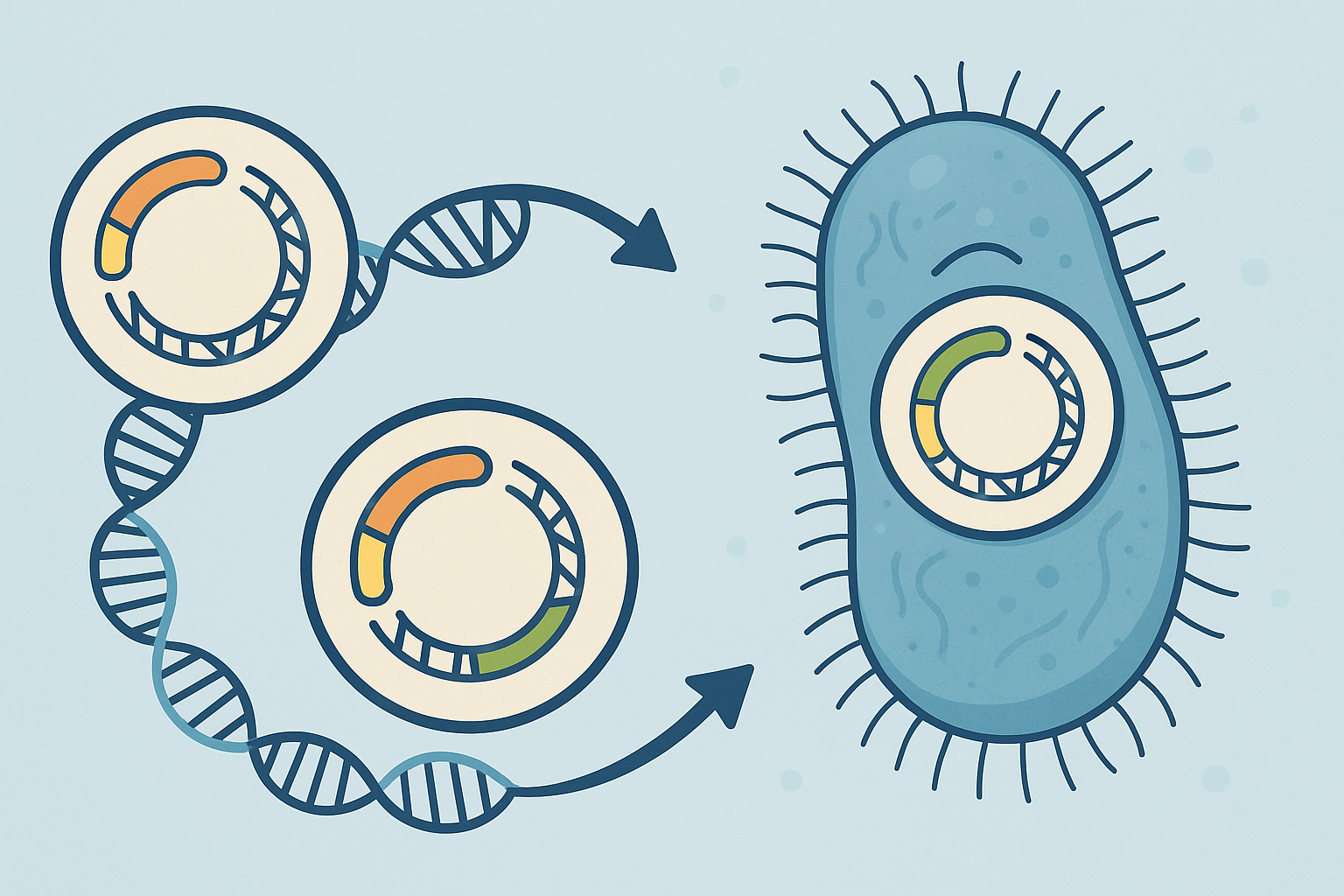
genetic transformation

Genetic Transformation

Students explore the process of moving genes from one organism to another using genetic transformation.

Grade Level: High School (9 - 12)

Subject: Biology and Life Sciences

Curriculum Unit: Biological Evolution , From Molecules to Organisms

Genetic Transformation (Classroom)
genetic transformation

Genetic Transformation (Classroom)

Students explore the process of moving genes from one organism to another using genetic transformation.

Grade Level: High School (9 - 12)

Subject: Biology and Life Sciences

Curriculum Unit: From Molecules to Organisms , Heredity

Ground Breaking News
phenomena-Ground Breaking News

Ground Breaking News

This unit will introduce students to tectonic plates. Students will develop questions after viewing satellite images showing uplift along the coast of New Zealand from 2010 to 2016.

Grade Level: Middle School (6 - 8)

Subject: Earth & Space Science

Curriculum Unit: Earth's Systems

It’s All in Your Head
students working the

It’s All in Your Head

Students discover the mechanics of concussions, test and evaluate different helmet materials, and walk away with a better understanding of how future technologies can make athletic play safer.

Grade Level: High School (9 - 12) , Middle School (6 - 8)

Subject: Physics

Curriculum Unit: Forces and Interactions

It’s All In Your Head (Classroom)
students working the

It’s All In Your Head (Classroom)

Students will analyze the effect of forces on a brain model, gather collision data from tested materials, and go through the engineering process to design a new helmet.

Grade Level: High School (9 - 12)

Subject: Physics

Curriculum Unit: Forces and Interactions

Looking Into Lactase
splash of milk

Looking Into Lactase

Students explore enzymatic activity by investigating the mechanism behind lactose intolerance.

Grade Level: High School (9 - 12)

Subject: Biology and Life Sciences

Curriculum Unit: From Molecules to Organisms

Looking Into Lactase (Classroom)
splash of milk

Looking Into Lactase (Classroom)

Students will develop questions about a case of a girl with stomach symptoms, and eventually come to understand the mechanism of lactose intolerance.

Grade Level: High School (9 - 12)

Subject: Biology and Life Sciences

Curriculum Unit: From Molecules to Organisms

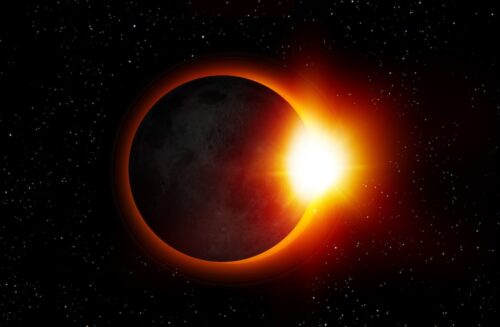
Moon’s Disappearing Act
Solar Eclipse

Moon’s Disappearing Act

This unit will introduce students to solar eclipses. Students will develop questions after being introduced to phenomena.

Grade Level: Middle School (6 - 8)

Subject: Earth & Space Science

Curriculum Unit: Earth's Place in the Universe

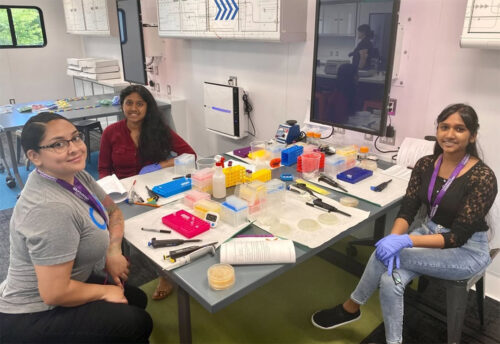
Mystery of the Crooked Cell
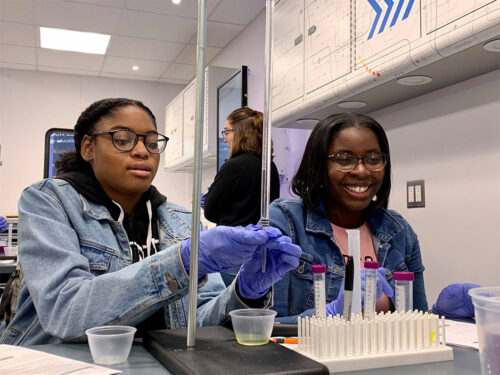
female students smiling in biotechnology lab

Mystery of the Crooked Cell

Students explore genetic diseases and tracing genetics through the use of Punnett squares and gel electrophoresis.

Grade Level: High School (9 - 12) , Middle School (6 - 8)

Subject: Biology and Life Sciences

Curriculum Unit: From Molecules to Organisms , Heredity

Mystery of the Crooked Cell (Classroom)
students in the emerging leaders program smile in biotechnology lab

Mystery of the Crooked Cell (Classroom)

Students will analyze and develop questions about the disease while looking at blood smear for healthy and sickle patients.

Grade Level: High School (9 - 12)

Subject: Biology and Life Sciences

Curriculum Unit: From Molecules to Organisms , Heredity

Parasite Predicament
Mosquito biting a person

Parasite Predicament

Students will explore the prevalence of malaria nationwide while determining whether or not their patient has contracted the malaria parasite.

Grade Level: High School (9 - 12)

Subject: Biology and Life Sciences

Curriculum Unit: Biological Evolution

Parasite Predicament (Classroom)
Mosquito biting a person

Parasite Predicament (Classroom)

Students will learn how antibodies are used in enzyme-linked immunosorbent assays (ELISA) and will determine whether or not their patient has contracted the malaria parasite.

Grade Level: High School (9 - 12)

Subject: Environmental Science

Curriculum Unit: Ecosystems , Heredity

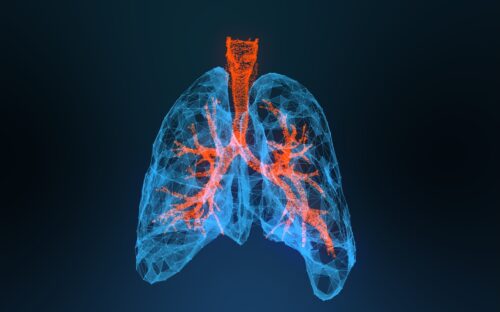
Radon and Lung Cancer
3d rendered illustration of lung cancer

Radon and Lung Cancer

Students learn about the dangers of radon, the different subtypes of lung cancer, and the radon mitigation systems that can be implemented.

Grade Level: Middle School (6 - 8)

Subject: Environmental Science

Curriculum Unit: Ecosystems , Matter and its Interactions

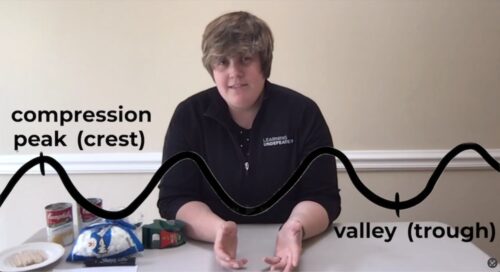
What’s in a Wave
Futuristic wave with points and lines

What’s in a Wave

Students explore wave types and properties by building models and a DIY speaker.

Grade Level: Middle School (6 - 8)

Subject: Engineering , Physics

Curriculum Unit: Waves and their Applications

Wildlife Forensics

Wildlife Forensics

Students will compare the DNA fragment(s) in a sample of DNA from a package of fins to great white and porbeagle shark DNA controls to determine if your unidentified fin is from a great white shark.

Grade Level: High School (9 - 12) , Middle School (6 - 8)

Subject: Biology and Life Sciences

Curriculum Unit: Biological Evolution , From Molecules to Organisms

Wildlife Forensics (Classroom)

Wildlife Forensics (Classroom)

Students will compare the DNA fragment(s) in a sample of DNA from a package of fins to great white and porbeagle shark DNA controls to determine if your unidentified fin is from a great white shark.

Grade Level: AP & College Level (11+) , High School (9 - 12) , Middle School (6 - 8)

Subject: Biology and Life Sciences

Curriculum Unit: Biological Evolution

Atoms in Action
benedetta teaches at home science atoms in action

Atoms in Action

Explore atoms and their components and learn how the parts interact! See the magic of floating and flying objects all due to atoms!

Grade Level: Elementary School (K-5)

Subject: Physical Science , Physics

Curriculum Unit: Forces and Interactions

Balloon Rocket
benedetta teaches at home science balloon rocket

Balloon Rocket

Explore Newton’s Second Law of Motion and see it in action! Build a rocket out of a balloon and straw to see how mass affects the acceleration of an object!

Grade Level: High School (9 - 12)

Subject: Physical Science , Physics

Curriculum Unit: Forces and Interactions

Yeast Balloon
janee teaches at home science yeast balloon

Yeast Balloon

Experiment to see how yeast uses cellular respiration and is affected by sugar!

Grade Level: Middle School (6 - 8)

Subject: Biology and Life Sciences

Curriculum Unit: From Molecules to Organisms

Candy Chromatography

Candy Chromatography

Use paper chromatography to separate the dyes and determine if they are the same and if a dye is made of a mixture of dyes!

Grade Level: Elementary School (K-5) , Middle School (6 - 8)

Subject: Chemistry , Physical Science

Curriculum Unit: Matter and its Interactions

Properties of Water
alli teachers walking water - Properties of Water

Properties of Water

Students investigate the unique properties of water through two engaging activities

Grade Level: High School (9 - 12)

Subject: Chemistry , Physical Science

Curriculum Unit: Forces and Interactions

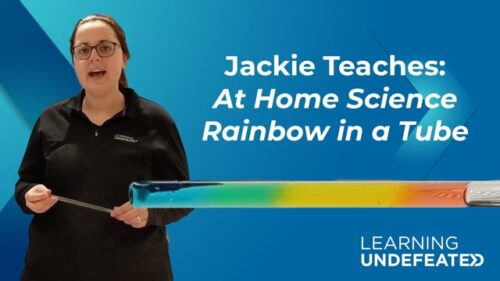
Rainbow in a Tube
jackie teaches at home science rainbow in a tube

Rainbow in a Tube

See density in action by creating a rainbow in a tube! Understand how each solution is made of particles too small to be seen!

Grade Level: Elementary School (K-5)

Subject: Chemistry , Physical Science

Curriculum Unit: Matter and its Interactions

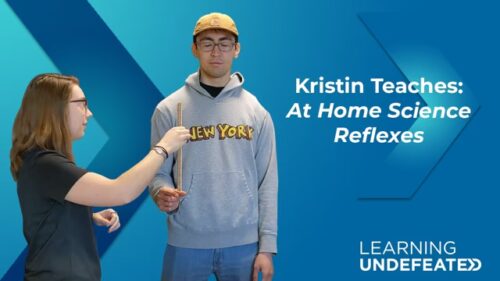
Reaction Times

Reaction Times

Learn about our five main senses and test to see which of them allows for the fastest reaction!

Grade Level: Elementary School (K-5)

Subject: Biology and Life Sciences

Wave Machine
ali main teaches waves

Wave Machine

Explore transmission, absorption, and reflection of waves! Build a wave machine to investigate how different materials (mediums) react to a wave to create these wave behaviors!

Grade Level: Middle School (6 - 8)

Subject: Physical Science , Physics

Curriculum Unit: Waves and their Applications

Join the Mission